Water Freedom System · Safety
Water Freedom System Safety: Water, Power and Local Rules
A calm look at the two areas that need care in a home water-from-air project: the water it might make and the electrical parts it needs. Includes what the seller's pages say and a practical checklist.
- $39.69, one payment
- 60-day refund
- DIY & Home Projects
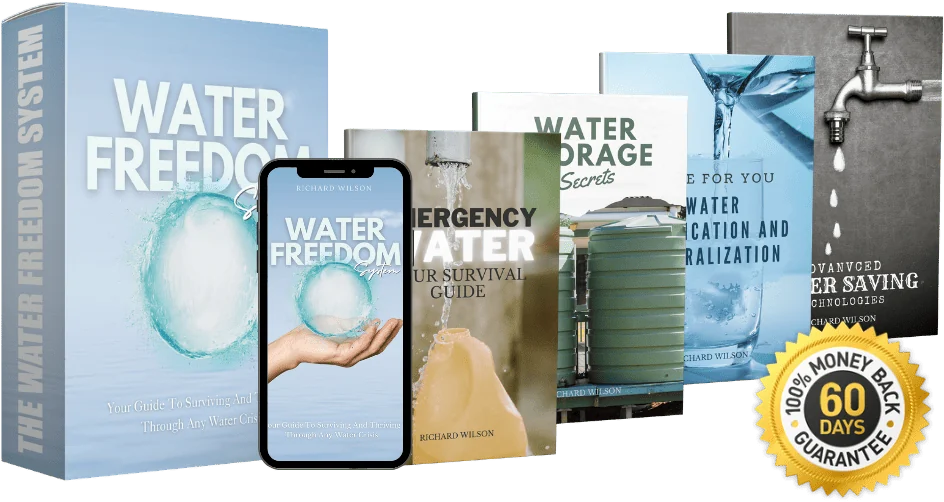
At a glance
- Refund window
- 60 days
- email the seller with your name and order number
- Price
- $39.69
- one payment at checkout
- Written by
- HealthCure Guide Editorial Team
- Published
- Reading time
- 8 min read
A home project that gathers water and uses electrical parts deserves a careful, unhurried approach. This page covers the two areas that need the most attention before you start on Water Freedom System: the water a home device might produce, and the electrical side of the build. It also explains what the seller’s pages say, and it sets out a simple checklist you can follow.
Nothing here is a warning designed to stop you. It is the kind of planning that experienced home builders do as a matter of course. The guide is a plan you read and then carry out with your own good sense and with local professionals where they are needed.
Water Made by a Home Device
Water made by any home device should be treated or tested before drinking. This is true whatever the device is and wherever it sits. Treating the water and checking its quality are separate steps from building the device, and they belong in your plan from the start, not as an afterthought.
The guide describes a way to collect water from humid air, and it does not stand in for local drinking water guidance. If you have questions about the water, ask your local water provider or your health authority. They can tell you what they recommend for water from sources outside a licensed supply.
Humidity and Temperature
Output depends on humidity and temperature. A device that collects more in a humid week may collect less in a dry one, and a cool room behaves differently from a warm one. That variation is not a flaw in the guide. It is a basic fact about any device that depends on the air around it.
Plan your observations around the conditions where the device will actually run. Note the room, the season and the weather when you check the output, and do not assume that one good day tells you about the rest of the year.
Electrical Safety
Electrical work carries real risk. Mains power, pumps and cooling parts can cause shock and fire if they are installed or connected badly, so electrical safety should shape every choice you make about the power side of the project. Use the right cable, the right protection and the right connections, and keep water and live parts well apart.
Where your local code requires it, bring in a licensed electrician. That includes any mains connection, any permanent wiring and any step that your local code treats as regulated work. Do not work on live circuits, and turn off the supply before you touch any wiring.
Local Rules and Permits
Home alterations, plumbing work and electrical installations are often covered by local rules. Those rules can require a permit, an inspection or a licensed installer, and they can differ between towns, counties and countries. The seller’s pages do not give permit or code guidance, so the job of checking falls to you.
Before you buy parts or start work, contact your local building or planning office. Ask what applies to a home water project and to any electrical element in it. A short conversation at the start can prevent a lot of trouble later.
What the Seller’s Pages Say
The seller’s public pages describe the guide, the formats, the price and the refund route. They say that the sales presentation may use actors, and that the author name is a pen name. We mention that once, so the page is complete, and we do not present the presentation’s story as fact.
The seller’s pages do not give purity figures, laboratory results or guidance on water quality. Those are questions to put to the people who are qualified to answer them in your area.
A Practical Checklist
These steps are our suggestions, and they are not part of the seller’s package.
- Read the full guide and the materials list before you buy any part.
- Check local rules on building work, plumbing and electrical installation.
- Ask a licensed electrician about every power element, and plan for the inspections your area requires.
- Plan how any water will be treated or tested before drinking, using the guidance of your local authority.
- Choose a location where the humidity and temperature suit the device, and record the conditions when you check it.
- Keep children, pets and visitors away from the build while you work, and keep live parts away from water.
When to Stop and Ask for Help
Stop work and ask a qualified person if you are unsure about any power connection, if a part gets hot or smells of burning, or if you cannot identify a material in the list. The same applies to any doubt about the water. A pause costs little, and it keeps the project on track.
Reading With Care
The guide is designed to help you think through a home water project. It is not a substitute for licensed electrical work, local permits or professional water advice. Read it with those people in mind, and you will be able to use it well.
Safety FAQ
Can I drink the water a home device makes?
Only after it has been treated or tested before drinking, following local drinking water guidance. The guide does not make that call for you, and no home device replaces a licensed water supply.
Why does humidity and temperature matter?
Output depends on humidity and temperature, so a device can behave differently in a damp basement, a dry room or a hot summer week. Plan your checks around the conditions where the device will run.
What electrical work should I leave to a professional?
Mains connections, pumps, cooling parts and anything that needs a permit or inspection in your area. Electrical safety should guide every power choice, and local code sets the rest.
Can a guide replace a professional inspection?
No. A guide is a plan. Inspections, permits and electrical work belong with the people your local rules name, and the guide does not replace them.
Who should I ask before I start?
A licensed electrician for power work, your local building or planning office for permits, and your water provider or local health authority for questions about drinking water.
Water Freedom System Official Pricing
As listed on the official order page. The digital option is delivered online; the physical edition is mailed, with shipping and handling shown at checkout. Checkout may show your local currency plus tax.
Digital guide
$39.69
one payment, per guide
- PDF and video files with instant access
- Beginner Quick-Start Guide and materials list, per the seller
- Four bonus guides, listed by the seller
- 60-day money-back guarantee
- Optional printed book, US only, plus $9.95 shipping and handling (shipping is not refunded)
Other products in DIY & Home Projects
-
 Energy Revolution System
 is a PDF download that the seller presents as a guide to a small home power device. $39 once, with a 60-day money-back guarantee from the seller.
-
 My Shed Plans
: a digital library of shed plans with materials lists, cutting lists and step-by-step instructions, per the seller. $37 one payment and a 60-day money-back guarantee.
-
 Smart Water Box
: a DIY water-from-air guide that the seller says shows how to build a small box for gathering water from humid air. Step-by-step, three bonuses mentioned, refund by email.
-
 TedsWoodworking
 is an online library of woodworking plans with cut lists and materials lists, in PDF and DWG. The seller lists $67 as one payment, with a 60-day guarantee.